 Girona Hub
The Blanquivermell Passion
The atmosphere at Montilivi Stadium during a derby against Espanyol is indescribable. It’s not just a match; it’s a celebration of local identity and a manifestation of blanquivermell passion. Supporters, known as ‘Gironins’, prepare weeks in advance, decorating their homes and readying their jerseys, establishing an emotional connection that transcends mere sporting events.
Pre-Match Ritual
On derby day, the city of Girona dresses in white and red. Bars and restaurants fill with fans sharing stories and predictions about the match. Before heading to the stadium, it's common to see groups of supporters making the walk, singing traditional songs like “El Girona és un sentiment,” which resonate throughout the city. This march to Montilivi is a ritual that reinforces unity and team spirit.
Montilivi Stadium as a Temple
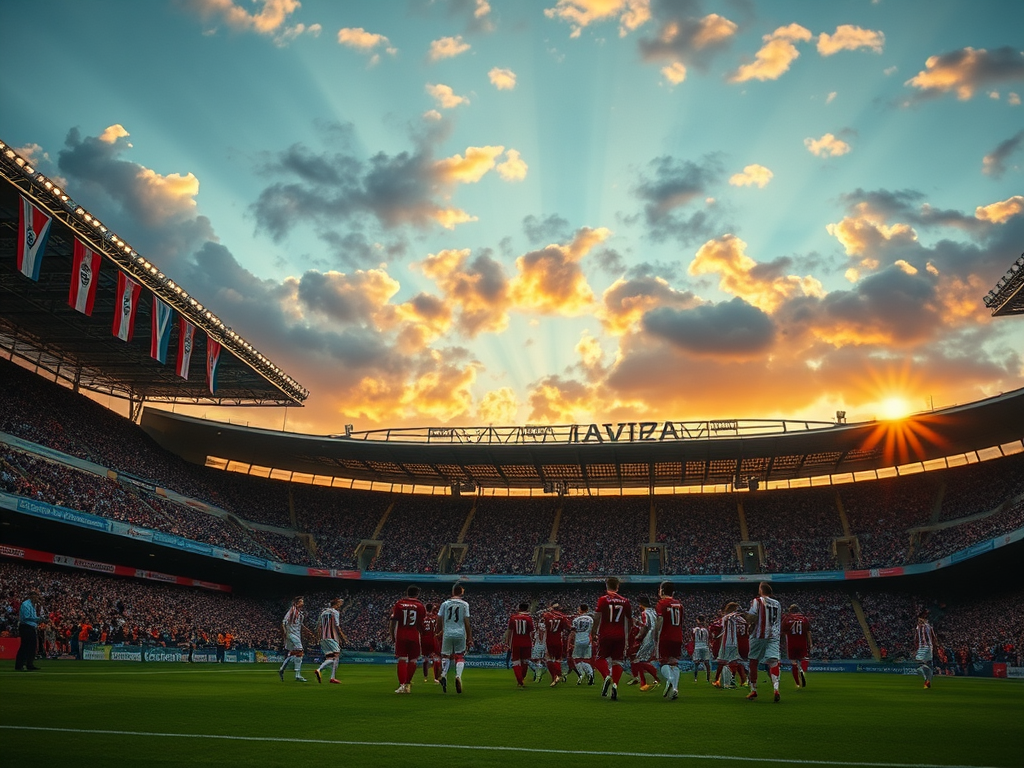
Upon arriving at the stadium, the atmosphere electrifies. The sound of drums and trumpets accompanies fans as they enter, creating an unparalleled sensory experience. Leading up to the match, the crowd unites in a deafening chorus that encourages the players, while flags wave in the breeze, painting the stadium in blanquivermell colors. This fervor is particularly palpable during the minute of silence, where homage is paid to those who have passed, reinforcing the sense of community that characterizes Girona.
The Rivalry with Espanyol
The derby against Espanyol is not just a sporting encounter; it’s a historical battle that has forged the rivalry between both fanbases. Each match feels like a final, where every goal is celebrated as a personal victory. Girona supporters are known for their wit and creativity, crafting banners and chants that add a theatrical element to the spectacle. The tension in the air is palpable, and every play is lived to the fullest, as if each pass and shot on goal could mark a decisive point in the club's history.
Post-Match Celebration
Regardless of the outcome, the derby is a celebration. After the final whistle, fans gather in nearby squares, sharing their emotions and reflecting on the match. Camaraderie among supporters is palpable, and it’s not uncommon to see groups of friends, some of whom may have been on opposing sides in the stands, sharing a drink at the same table. This is the essence of football: a space where rivalry transforms into friendship, and where traditions are celebrated with pride.
Conclusion
The culture of Girona supporters is a testament to the power of football to bring people together. In every derby, in every chant, and in every ritual, the blanquivermell identity is reaffirmed, a legacy that will continue to strengthen with every generation that passes through Montilivi.